
Sites to See
in Umbria &
Surrounding Areas
“Oh the places you will go...”
Although new-ish to the area, we have done our best to scout about for amazing things to do in our area. Listed below are several recommendations, each with their own brief explanation. Additional information is available by clicking anywhere on the description, which will take you to recommendations of what to do, parking, what to eat, dates of events, and so on.
Places are listed in the order from closest to farthest away, and we have done our best to rate these as far as difficulty of getting around - 1 Shoe = an easy day of walking, 2 Shoes = a moderate walking day with possible hills, 3+ Shoes = you should be prepared to have some good walking shoes, water and proper clothing to comfortably navigate the area.
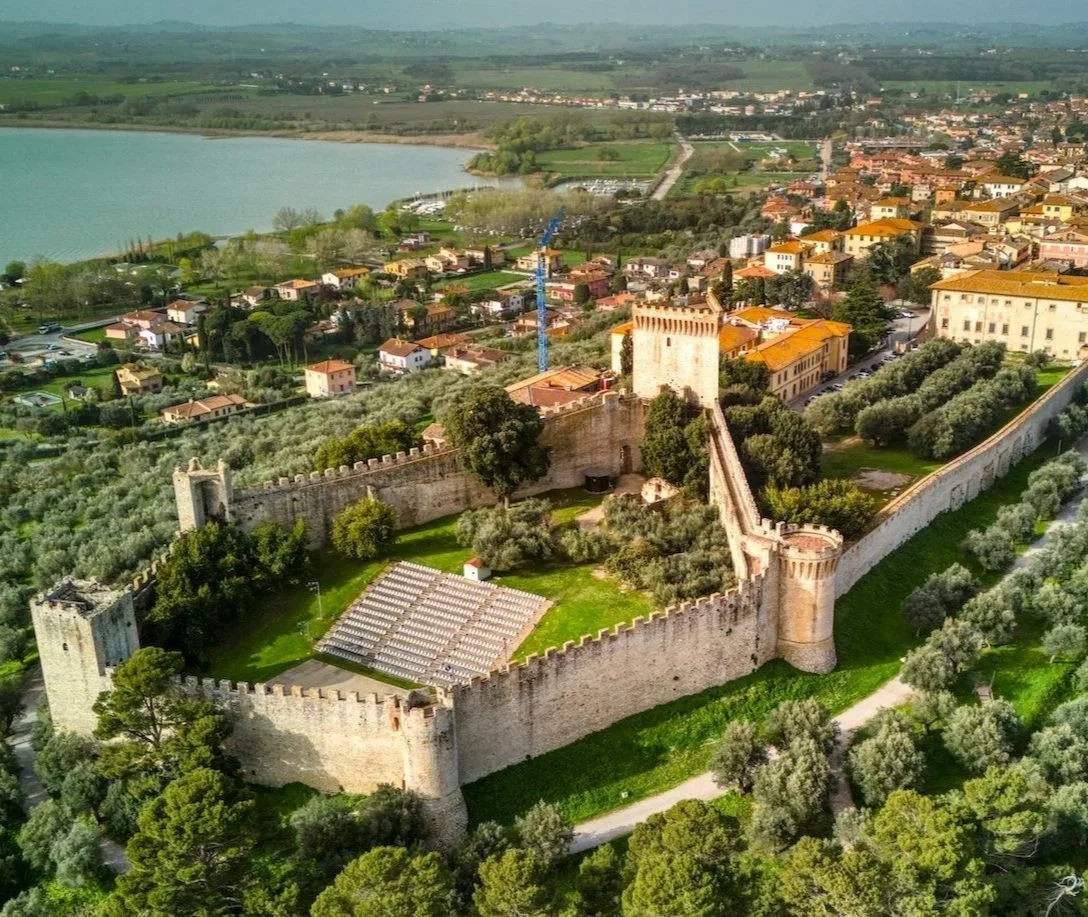
ABOUT: DISTANCE 8km. Lake Trasimeno is our closest sight-seeing destination and a great place to rest and recover if just arriving and needing some low-key activities to cure that jet-lag. The first civilization to inhabit this area was the Etruscans; although little physical evidence remains from the period of Etruscan or later Roman settlement. There are several little towns that dot the 4th largest lake in Italy, click here to see our two favorite villages to visit. CLICK HERE FOR WHAT TO DO, ETC.
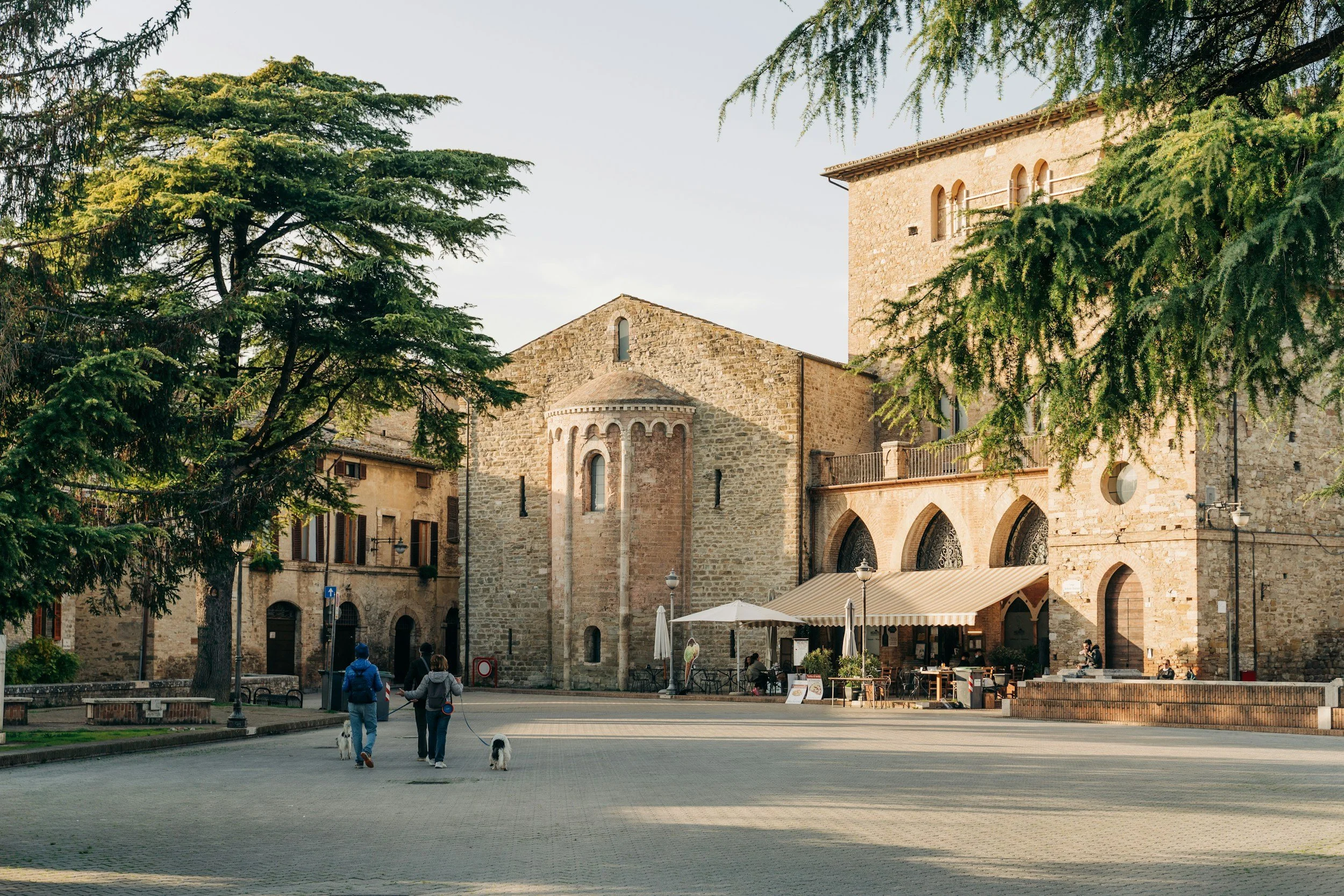
ABOUT: DISANCE 25km. Just like many of the Umbrian hillside towns, the first documentation of Bevagna (originally documented as Mevania), coincides with the Roman conquest of Umbria, when the Romans took over the area and built the western Via Flaminia (220 BCE) and other roads connecting to it. When the Empire fell, it became the object of various battles and was alternately dominated by Spoleto, Foligno, the Germanic Empire, Perugia and the Papal States. In 1439 it became part of the Papal domain and remained so, with the exception of the Napoleonic years, until the Unification of Italy in 1860. There is much architecture and ancient Roman baths that can be found here, as well as some great wineries and restaurants. CLICK HERE FOR MORE INFORMATION ON WHAT TO DO, SEE, ETC.
BEVAGNA
HOME OF THE SAGRANTINO GRAPE
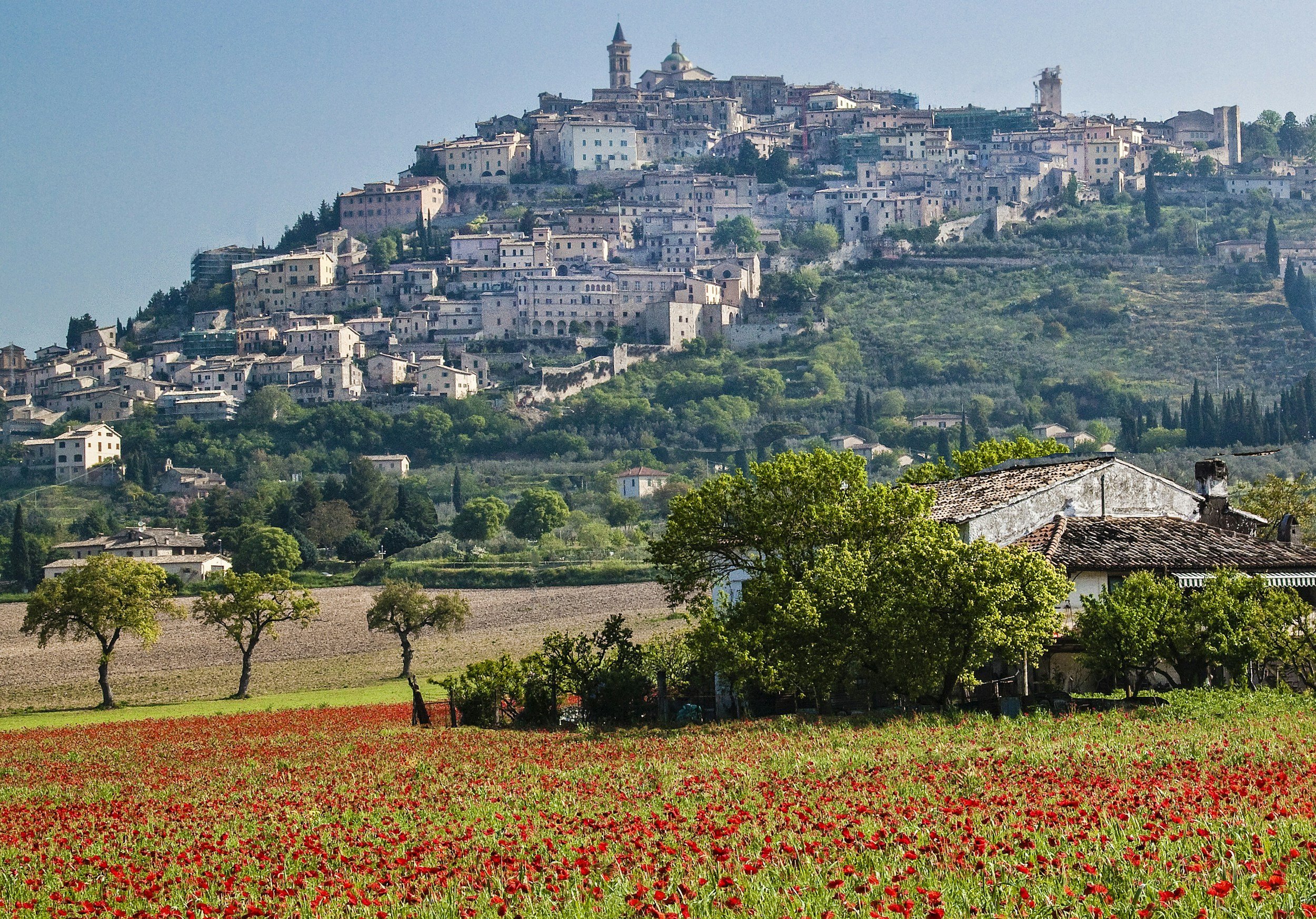
ABOUT: DISANCE 12km. Perugia is the capital of Umbria and is sometimes ignored by visitors who are put off by the sprawl of modern suburban and industrial areas, but the historic center is one of Italy’s finest. Starting at the Palazzo dei Priori, which houses the town hall and the region’s main gallery, the cobbled streets spread out from there, up and down staircases, and even escalators through the foundations of ancient buildings. Behind the Gothic facades of Perugia’s main sights, there are priceless artworks on the walls, while walking along an old aqueduct takes you to quieter neighborhoods with their own charm. CLICK HERE FOR MORE INFORMATION ON WHAT TO DO, SEE, ETC.
PERUGIA
CAPITAL OF UMBRIA

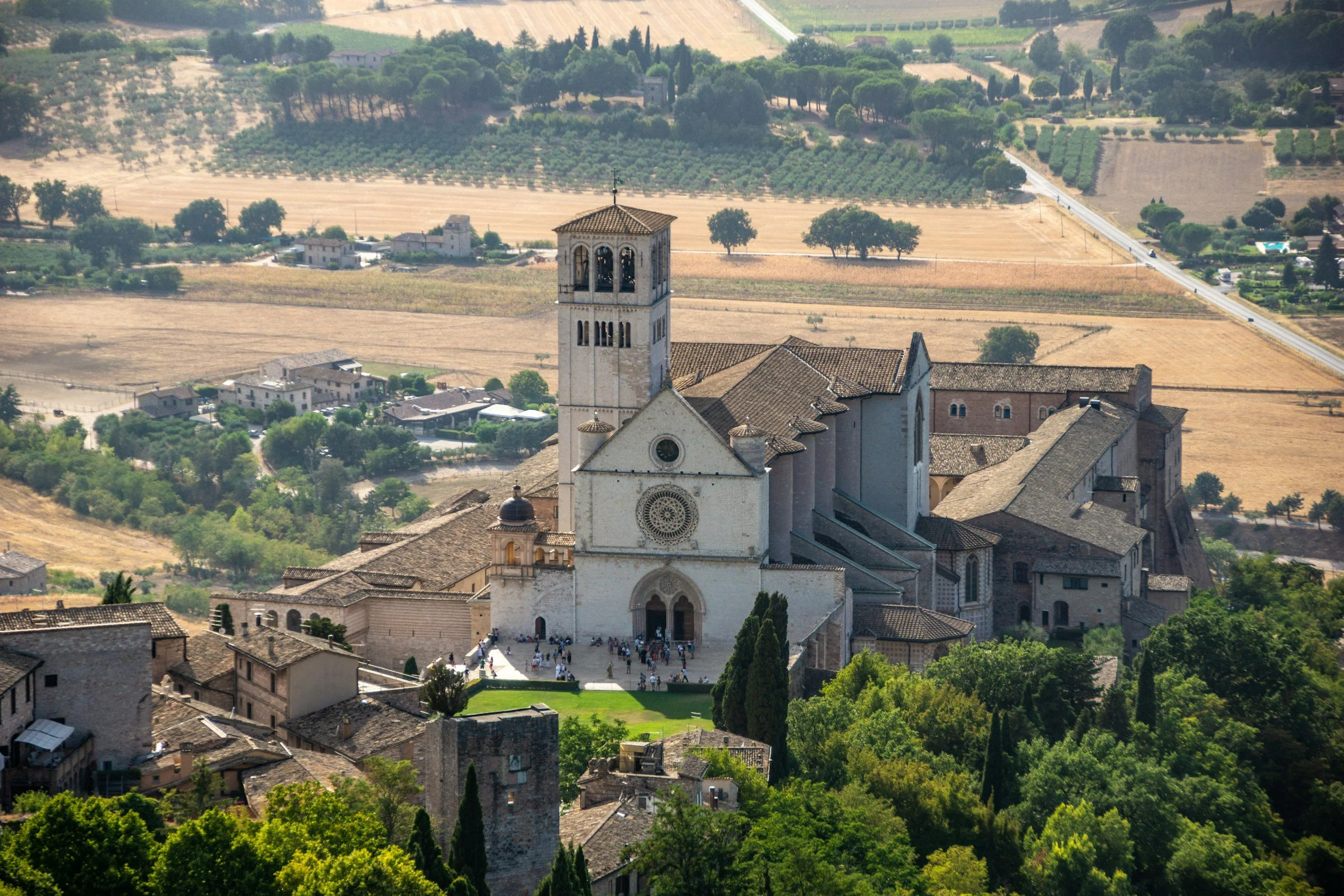
ABOUT: DISTANCE 35km. Visiting Assisi is one of our favorite destinations in the region, the local pink/white limestone giving it the appearance of glowing in the sun. The highlight is the enormous Basilica of Saint Francis of Assisi. The interior of the church is decorated with vibrant frescoes from medieval masters.
Beyond the basilica, there are lots of things to see in Assisi, including churches, a Roman temple, and historic fountains. Even just walking along the main street through town will take you past dozens of interesting sights. If you can time your visit with one of the town’s festivals, such as Easter, there will be even more going on in Assisi. CLICK HERE FOR MORE INFORMATION ON WHAT TO DO, SEE, ETC.
ASSISI
HOME OF ST. FRANCIS DE ASSISI
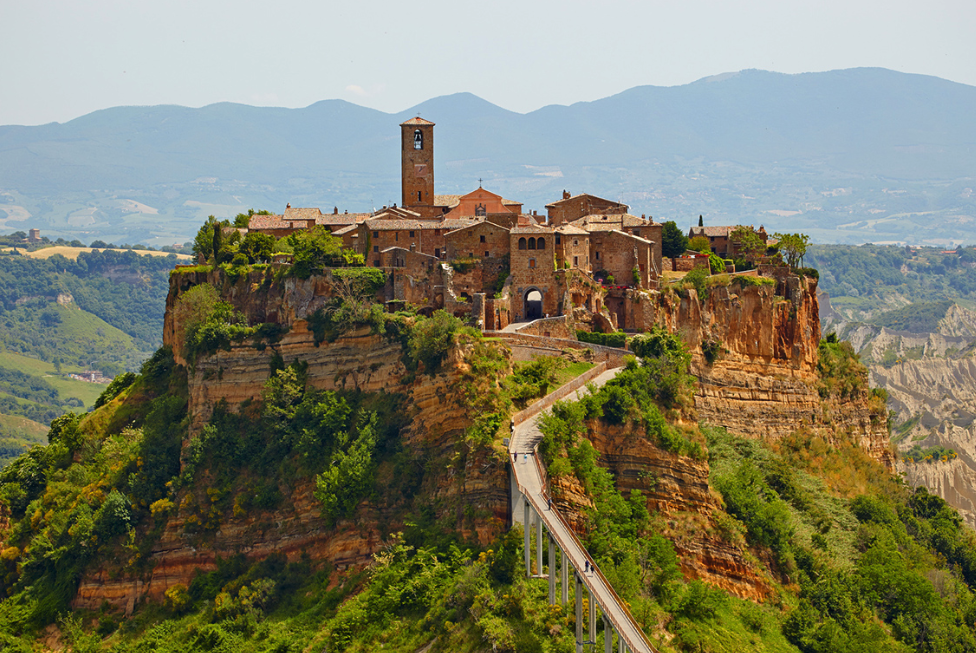
ABOUT: DISTANCE 49km. Civtia di Bagnoregio is possibly like no place you have ever seen before, sitting atop a tufa rock hill surrounded by an eroding canyon, the first amazing views of the town can be seen from the town of Bagnoregio across the canyon. Before reading too much further, while this town is a site to behold, it can be quite challenging with quite a bit of walking in hilly areas is required.
The only access to the town is via a long footbridge that crosses the canyon up the hill to a huge stone archway that acts as an entrance into the medieval town. Once across the bridge and through the archway, Civita di Bagnoregio is perfectly and classically Italian with warm colored stone walls, ivy draped balconies, stairways covered in summery potted plants, and, our favorite, cats, lots of cats everywhere.
This hill village is mainly based around tourism, with cafes, restaurants and shops, there is plenty to do while there. This is mainly a day trip destination, an ideal place to go that is not on the main tourist radar and is a place to get your steps in while enjoying a beautiful ancient village and enjoying a lunch serving traditional local fare.
CIVITA DI BAGNOREGIO
AWE INSPIRING DAY HIKE
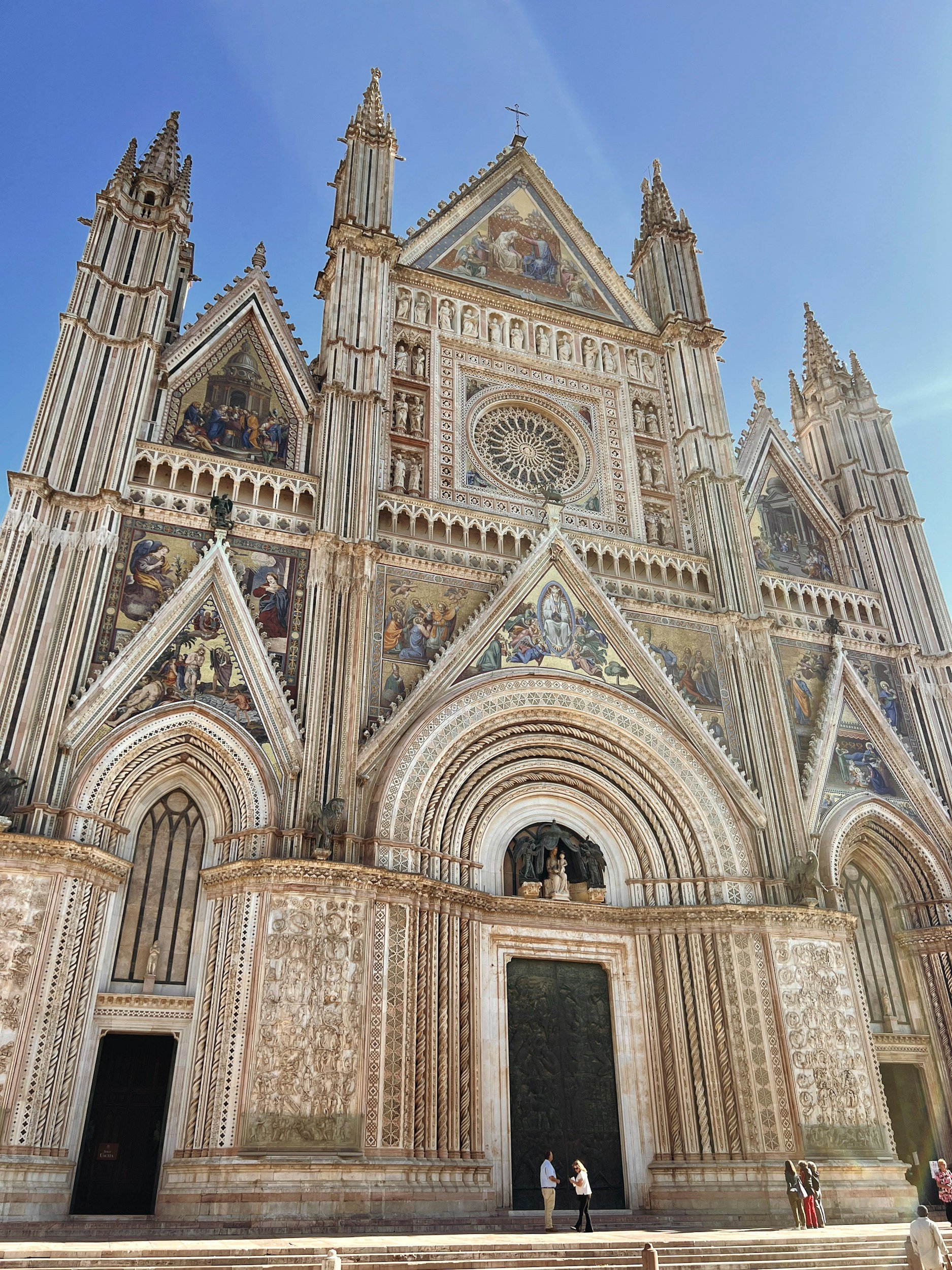
ORVIETO
HOME OF TREBIANO & GRECHETTO WINES
ABOUT: DISTANCE 39km. Orvieto was founded in the 9th century BC by the Etruscans, conquered by the Romans in 294 BC, which caused a significant decline of this village. Revived during 1000 and the 14th century, it enjoyed being a papal favorite between the 14th and 19th centuries. The medieval town seems to have a lot – a glorious cathedral, a striking clock tower, and an ornately decorated theatre are some of the main sights. As you explore further, you realize it has even more, because its side streets are filled with local gems like the ceramics on display, for both sale and decoration. CLICK HERE FOR MORE INFORMATION ON WHAT TO DO, SEE, ETC.

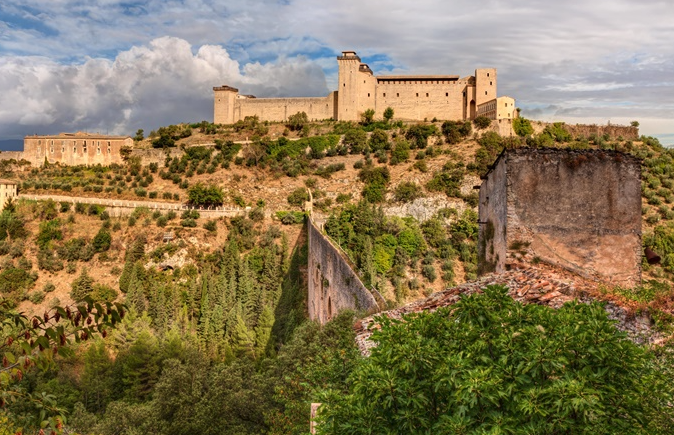
ABOUT: DISTANCE 57km. From the eastern approach, one of the most dramatic images of Spoleto is the Ponte delle Torri bridge, 230 meters of limestone that spans between a hill and a fortress. But within the town, there are plenty of other things to see. More than some other Umbrian towns, there are quite a few Roman remains here, including arches, a theatre, and a basilica. Within the medieval center, there are impressive churches, palazzos, and an interesting archaeological museum.
Quite a few artworks have been well preserved from the Middle Ages, including frescoes in the churches, bronze busts, and a 12th-century painting of a crucifix.
As an important city from the Roman era, to when the Lombards made it their capital in the 6th century, through to the Renaissance period, there’s a wealth of fascinating heritage here. CLICK HERE FOR MORE INFORMATION ON WHAT TO DO, SEE, ETC.
SPOLETO
HISTORY-RICH TOWN

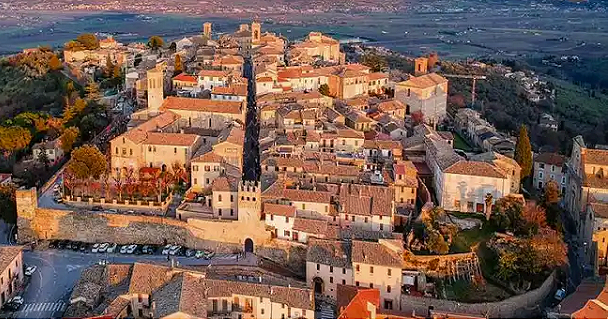
ABOUT: DISANCE 27km. The town of Montefalco is situated on the edge of the Colli Martini, settled by the ancient Umbri tribe sometime between 600-400 BC, truly one of the 5 oldest towns in Umbria. The name Montefalco is synonymous with great wine here in Umbria. The special local grape, Sagrantino, only allowed to be grown in 5 communes in Umbria, is blended with Sangiovese grapes to make the famous Montefalco Rosso, which is renown worldwide. It is a must to plan at least one wine tasting when coming to Montefalco. CLICK HERE FOR MORE INFORMATION ON WHAT TO DO, SEE, ETC.
MONTEFALCO
HOME OF THE SAGRANTINO GRAPE
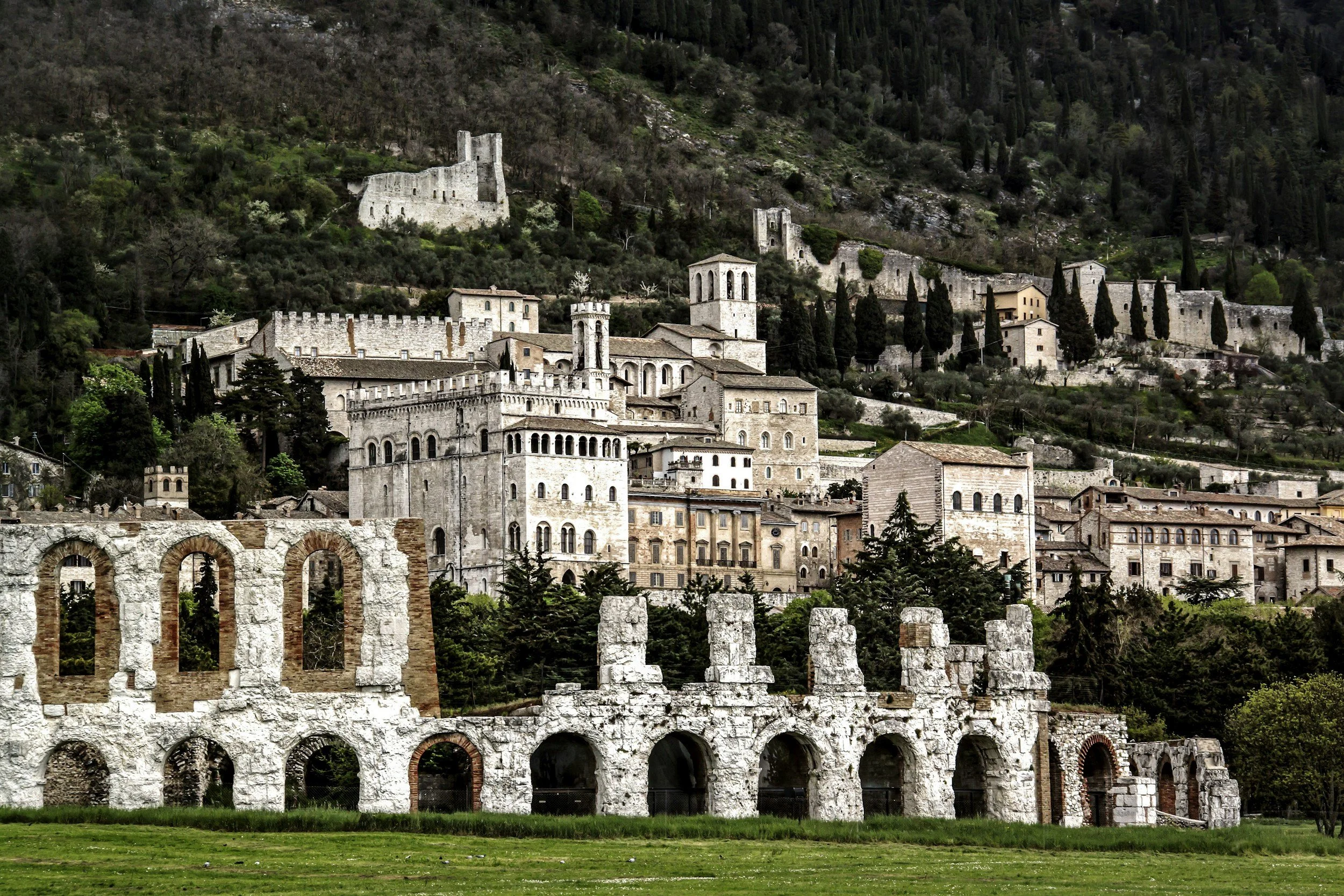
GUBBIO
STEEP HILLS & CABLE CARS OF ANCIENT GUBBIO
ABOUT: DISTANCE 44km. Gubbio, one of the oldest towns in Umbria, is located on the slopes of Monte Igno to the north of region. The town has a medieval feel with dark grey stone narrow streets and angular gothic architecture. The historic center of Gubbio is set so far up the hill that the best way to reach it is using the elevators that go up through the middle of the town. Once there, it is rarely flat walking as the streets are hilly. The entire mix provides you with many breathtaking photo ops as you peruse the many stores and restaurants. CLICK HERE FOR MORE INFORMATION ON WHAT TO DO, SEE, ETC.
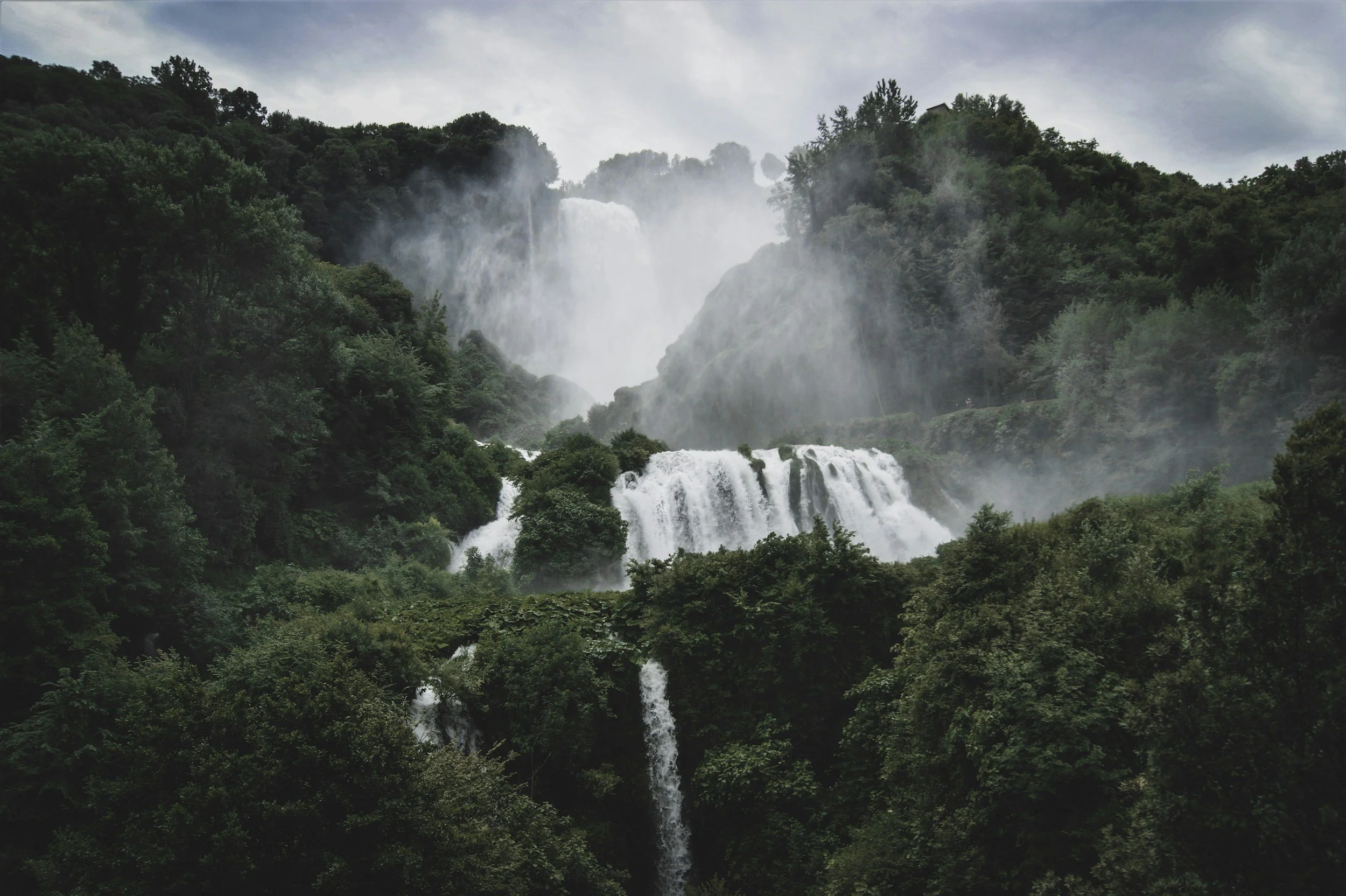
CASCATA DELLE MARMORE
MAN-MADE ROMAN WATERFALLS
ABOUT: DISTANCE 72km. Located to the south of Umbria near the town of Terni, are a series of waterfalls created by the Romans in 271BC, at 541 feet high it boasts being the tallest man-made waterfall in the world. The falls were constructed to drain the swamps and stagnant waters around the Nera River to reduce illness in the area. There are several lookout decks, hiking trails, and picnic sights to explore and get the best views of the falls while they are running. CLICK HERE FOR MORE INFORMATION ON WHAT TO DO, SEE, ETC.
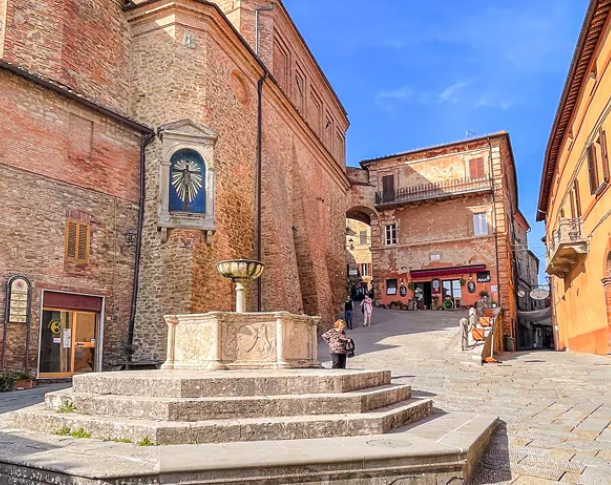
PANICALE
HILLTOP TOWN OVERLOOKING LAKE TRASIMENO
ABOUT: DISTANCE 21km. Oddly, one of our addresses states that we are in Panicale, not accurate; however that is the way addresses seem to work here. Everyone that lives outside of a city, and maybe those that do, have at least two or more distinctly different addresses. This area has been documented to have been settled as early as 2000BC, with the Etruscans showing up around 700BC, followed by the ancient Romans, the Papal State of Rome, and even Napoleon for a brief period. What makes this town an easy one, is that this village was created as a castle to control and defend the southern slopes of Lake Trasimeno, and of this defensive nature it retains the walled hamlet with three central squares on three different levels, connected by a single main street. CLICK HERE FOR MORE INFORMATION ON WHAT TO DO, SEE, ETC.
TODI
QUINTESSENTIAL HILLTOP TOWN
ABOUT: DISTANCE 37km. Todi began as an ancient Umbri and Etruscan settlement before becoming a Roman municipium. The surrounding countryside is scattered with the enchanting ruins of castles, an amphitheater, forum and necropolis. Its dramatic hilltop position and hardy defense system saved the town from destruction on more than one occasion in its long, turbulent history. The result today is a town that is well-preserved in time; three sets of concentric walls — the innermost Etruscan, the central Roman and the outer Medieval — still stand today. The entire settlement still rests upon an intricate network of ancient Roman cisterns that were in use as late as the 1920s. CLICK HERE FOR MORE INFORMATION ON WHAT TO DO, SEE, ETC.
Sites to See in Tuscany
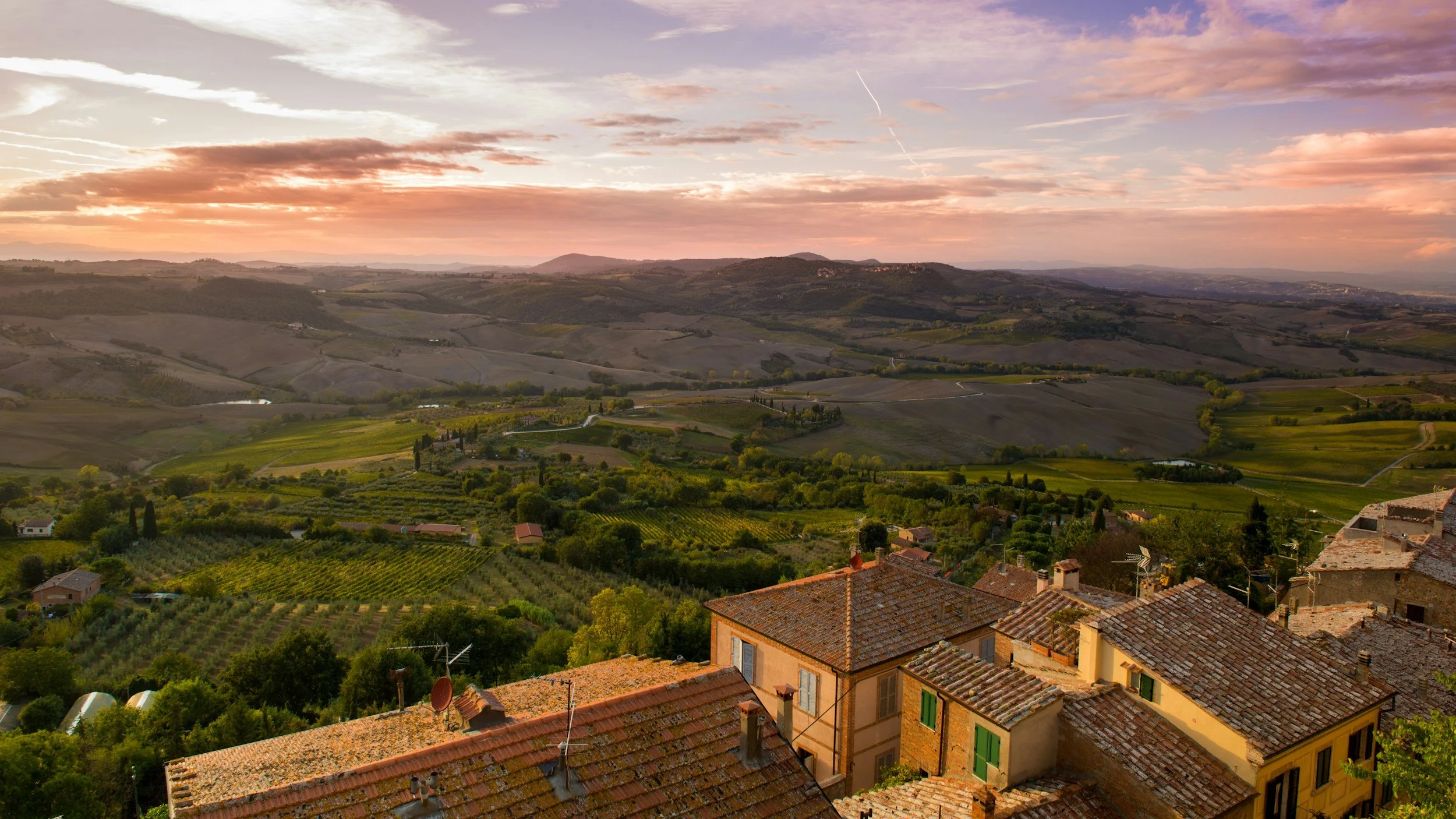
MONTEPULCIANO
HOME OF VINO NOBILE DI MONTEPULCIANO DOCG WINE
ABOUT: DISTANCE 51km. Montepulciano is southern Tuscany’s highest hill-town (at 664m/2,178 ft.), it sits above the fields of Sangiovese vines and the views from the old town are breath taking. Reminders of the towns boom-time line its most prestigious streets and main square, Piazza Grande. Florence’s finest architects left several palaces, giving the place a refined air that has lasted to this day. CLICK HERE FOR WHAT TO DO, ETC.
FLORENCE
HOME OF THE CHRISTIAN RENAISSANCE
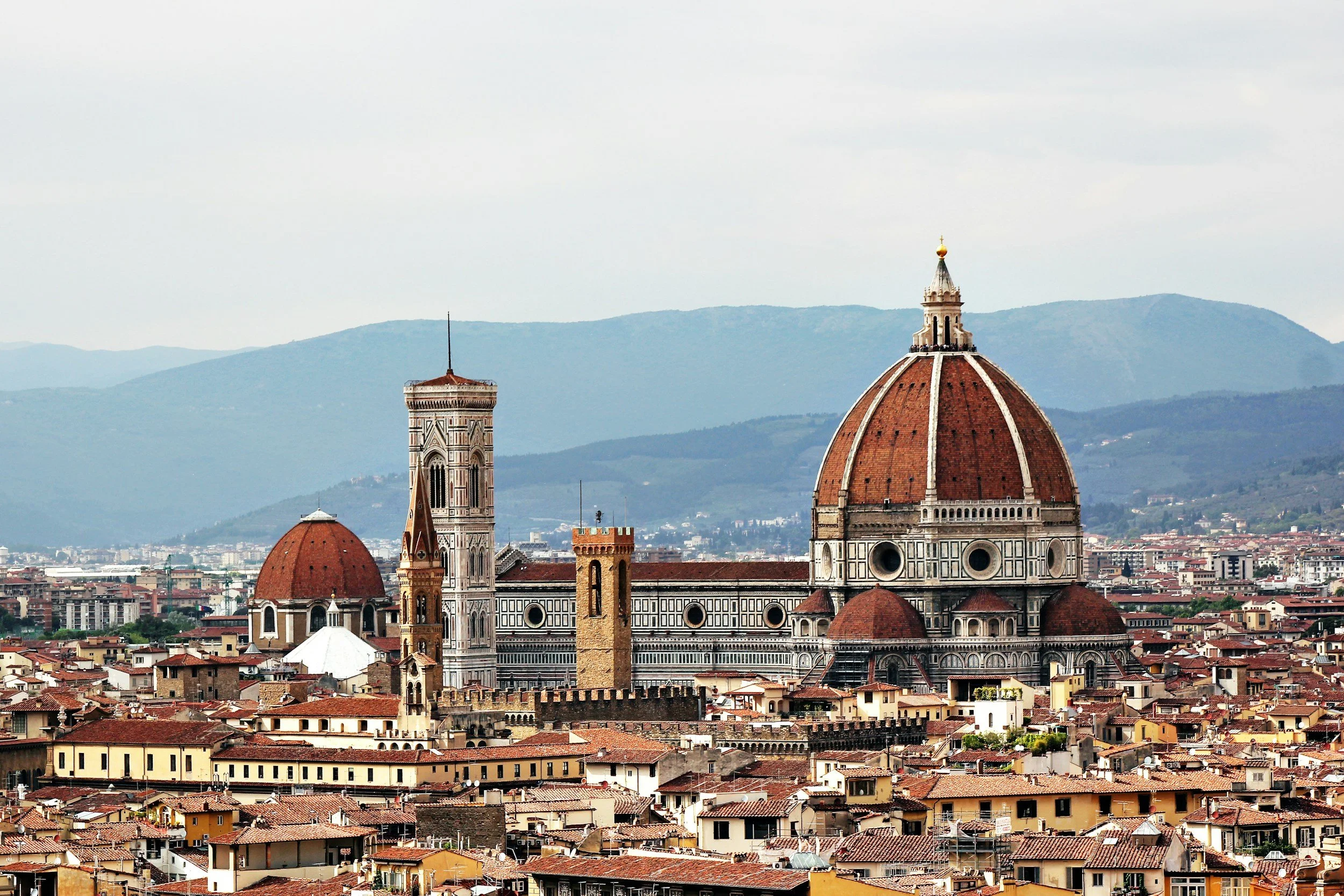
ABOUT: DISANCE 27km. Florence is an overwhelming, breathtaking, and intensive experience, particularly for those that have never visited Italy before. This beacon of art, food and culture is an easy 1.5-hour train ride from our home, and we highly recommend not to rush the experience. Plan for a minimum of two days to explore this fabulous place to be able to soak it in without getting completely worn out. From the train station, there is a gradual slope uphill into town, and from there the walking is on even-ish surfaces, although the condition of the sidewalks leaves little to be desired. We recommend this website to see all this city has to offer. There is a great interactive map as well as several great tips on what to see, as well as a free downloadable MP3 self-guided tours: https://www.italyguides.it/en/tuscany/florence/interactive-map-of-florence CLICK HERE FOR MORE INFORMATION ON WHAT TO DO, SEE, RESTAURANTS, ETC.
ROME
TRULY THE ETERNAL CITY
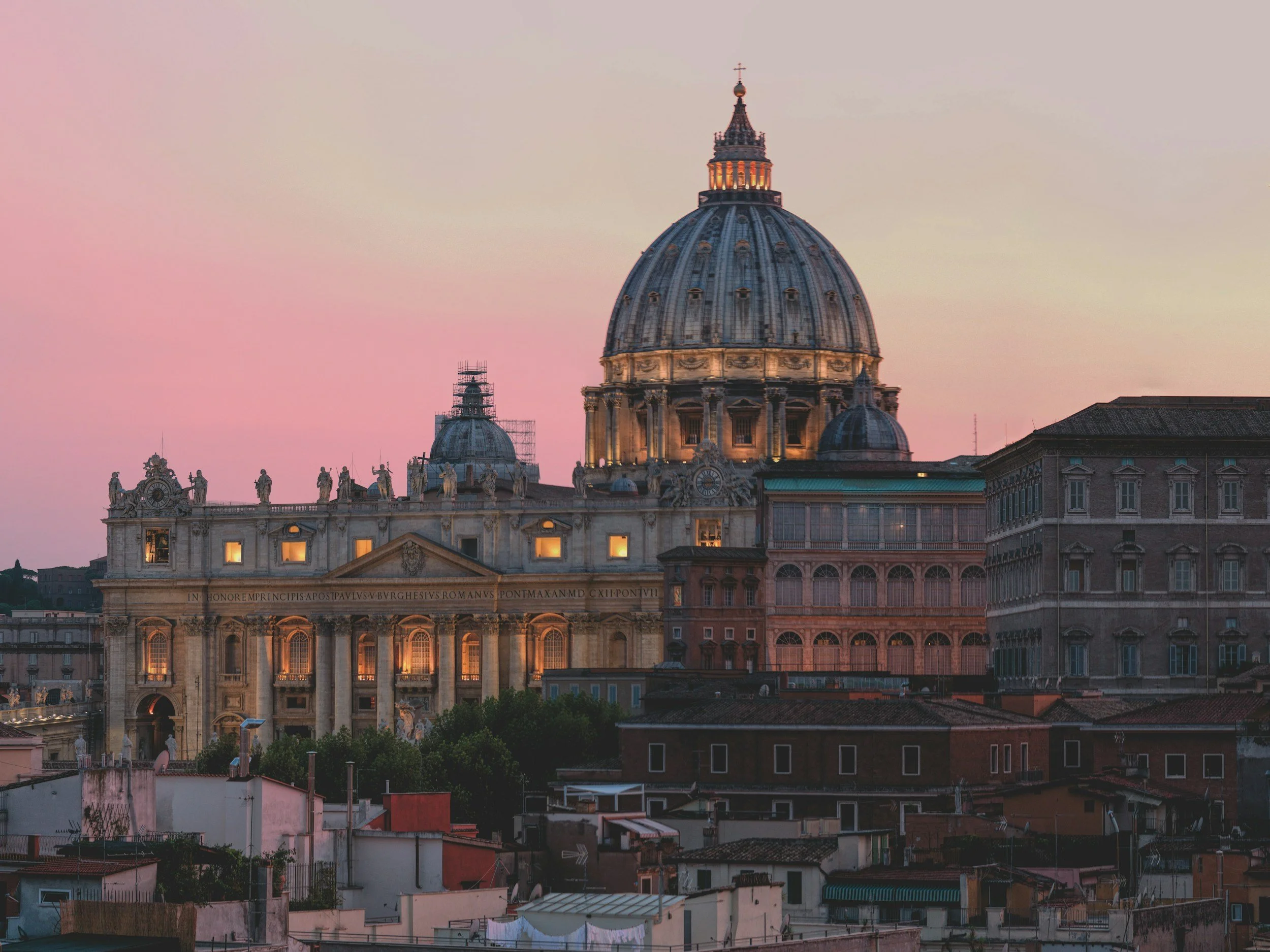
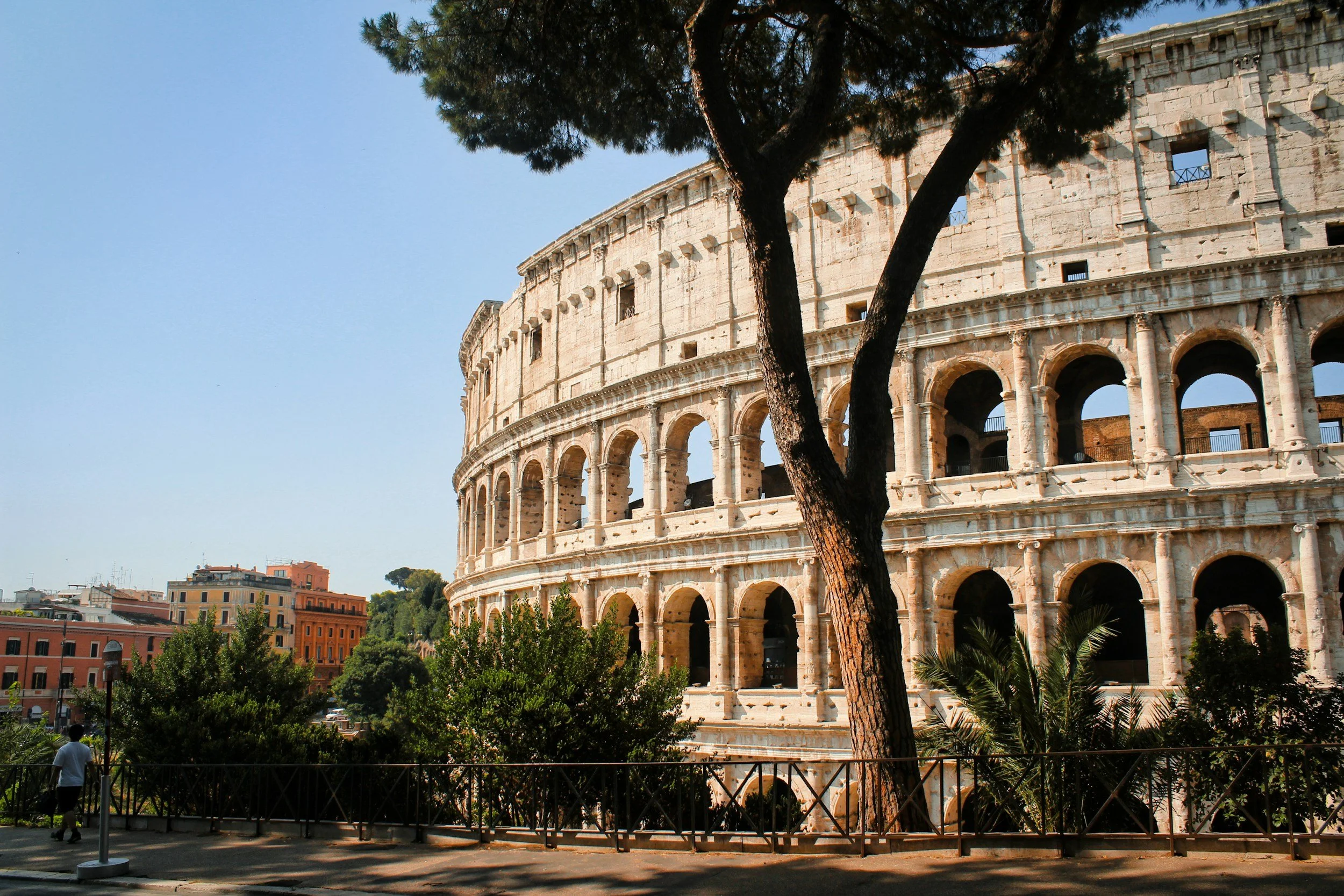
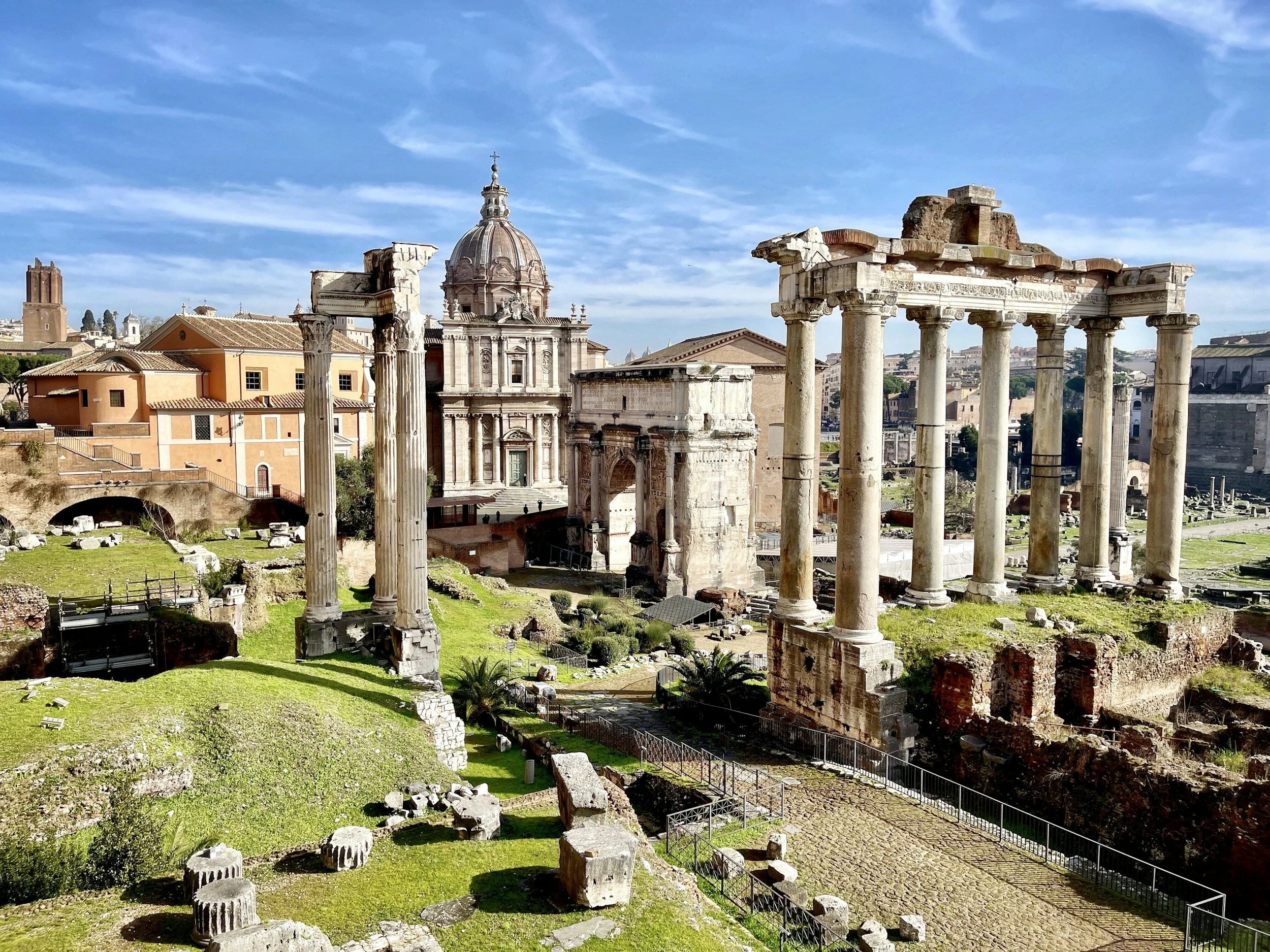
ABOUT: DISTANCE 35km. Yes, I am biased, I admit. I unabashedly love Rome and will never pass up a chance to chat it up. Indeed it is a large city that comes with all the issues of large cities, the traffic, the people, the chaos. But buried in all of that is the magnificence of this city. Dubbed the first Imperial city, the history of Rome spans almost 3000 years and its museums showcase the best of ancient Etruscan and Roman artifacts and sculptures. Along with Florence, Rome was a major center of the Renaissance and the birthplace of Baroque and Neoclassical movements. The city is divided into several districts as follows: Prati is by far the ritziest district in the city, known for its elegant art-nouveau buildings, vast avenues and high-end restaurants, bars and shops. Monti,on the other hand has a more bohemian edge and is great for artisan shops, trendy art galleries, quirky coffee shops and vintage finds. Cross the Renaissance Ponte Sisto or Garibaldi and follow cobbled streets into the heart of Rome’s old town, Trastevere, best known for its cobbled streets, the Basilica di Santa Maria, its welcoming and lively atmosphere, evening market stalls and fine restaurants and bars. With so much to see here, we recommend no less than 3 nights here if you have not had the opportunity to visit here before. CLICK HERE FOR MORE INFORMATION ON WHAT TO DO, SEE, ETC.