
TRAVEL WISELY
Also known as the fine art of finding your way around
While this does seem a bit coarse, it is nonetheless true. You must prepare yourself appropriately for travel, no matter where you are going. With so much to take into consideration, such as the time of year, the weather, how you will be getting from point A to point B, what the exchange rate is, how much cash to have on hand, and even the local activities that may be going on in your desired destination, it is best to start your research as soon as you have decided where you would like to go. For example, in August Italy almost entirely shuts down - no joke. Anyone that can take a holiday does, a tradition that harkens as far back as Augustus Caesar, making any area that deals with tourism that much more complicated to navigate.
We have brought our experience of both traveling and living in Italy over the past decade to this website to make sure we help you have the best experience possible. The following are our recommendations for getting the most out of your vacation when traveling to Italy and the EU.
Tips & Recommendation for a Successful Trip to the EU
1) PREPARATION & LOGISTICS
2) PACKING & CLOTHING
3) SIGHTSEEING, TIPPING & DINING
4) HOW TO GET AROUND ITALY
5) BEST PHONE APPS FOR PLANNING & TRACKING TRAVEL
We highly recommend that you review our tip recommendations below, whether this is your first time traveling to Europe or your 100th. The world of travel is ever-evolving and unforeseen surprises can upset even the best planned vacation. We have seen several changes in the city of Rome, just within the last 18 months, plus the EU and US have both changed their entry and exit requirements. Another evolution in the world of travel are phone apps, these can be lifesavers in a pinch and can make planning, tracking and documenting your trip a breeze.
PREPARATION & LOGISTICS
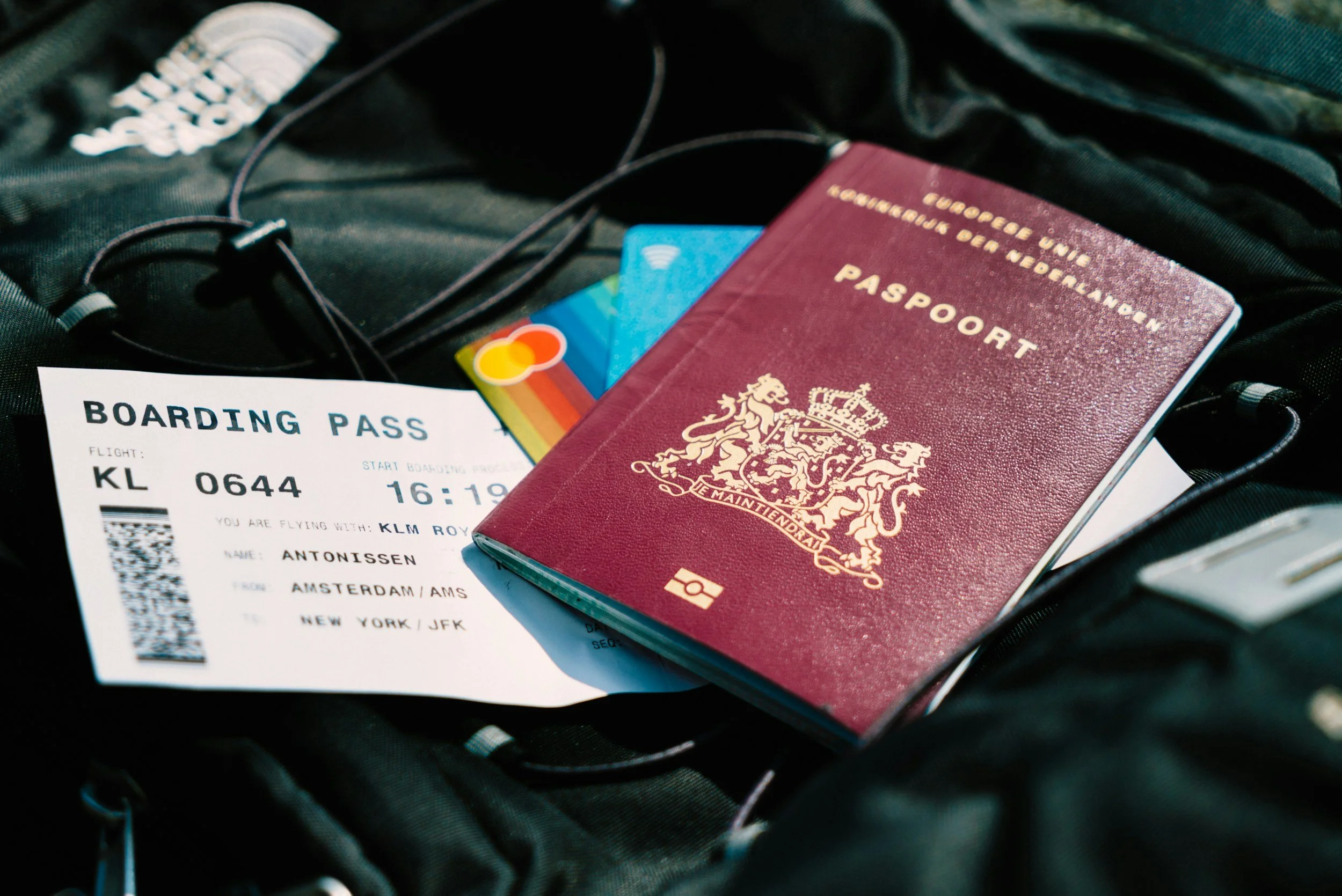
DOCUMENTATION: Ensure your passport is valid for at least six months beyond your travel dates, as you do not want to end up as a cautionary tale of one of those that get turned back when reaching customs due to the fact that your passport did not meet this minimal criteria. To be extra safe, make sure you have a paper copy of your passport stashed away, as well as a photo of your passport info page on your phone.
E.T.I.A.S.: As of 2026, U.S. citizens need an ETIAS electronic authorization for short stays. Yes, this is new and a nuisance all at the same time. This stands for European Travel Information and Authorization System, and is a mandatory, electronic pre-travel screening system for non-EU citizens visiting the EU for up to 90 days. Launching in late 2026, it costs €20, is linked to your passport, and lasts for three years. Here is the link to the system for a more in-depth explanation of how to register: https://etias.com/what-is-etias
CASH IS KING: Carry local currency for small purchases, cafes, and even public restrooms which often cost money. Prior to your trip, do not wait to purchase Euros from you bank as many banks now need to order these for you, which can take up to a week or so. When requesting euros from your bank, make sure that you request a variety of bills ranging from €5, €10, €20, €50, and €100. Remember that the €1 and €2 are in coin form and most banks will not provide you with these.
CREDIT CARDS WORK TOO: Use credit cards with no foreign transaction fees, if at all possible. Bring a debit card for cash withdrawals from local ATMs (avoid airport currency exchanges trying to exchange USD for Euros). Always inform your bank and your credit card company of your travel dates so as not to trigger a freeze on your cards when you attempt to use them outside of North America.
SPECIAL NOTE: American Express (AMEX): Do not solely rely on your AMEX card when you visit Italy and most of Europe. AMEX is accepted by airlines and most hotel chains. However, most local restaurants, shops, cafe’s and some gas stations do not accept AMEX. To play it safe, make sure you have a MasterCard and a Visa for your travels.
TELEPHONE/iPAD CONNECTIVITY: Set up an eSIM, SIM card, or international data plan with your phone carrier, as relying strictly on locally available on Wi-Fi can be restrictive due to slow or no WiFi access, or even non-existent.
POWER ADAPTER: EU countries use different outlets than the U.S.; bring the proper adapters. We recommend a “universal” power adapter. We have had great luck with this moderately priced one from Amazon over the years, click here to be taken to amazon.com.
INSURANCE: Purchase travel insurance for travel & medical emergencies. Each persons travel and medical needs differ, so there is no one company that we can recommend over another. MONEY SAVING TIP: Most travel insurance companies provide you a discounted price if you book your travel insurance within two weeks of purchasing your tickets.
PACKING & CLOTHING
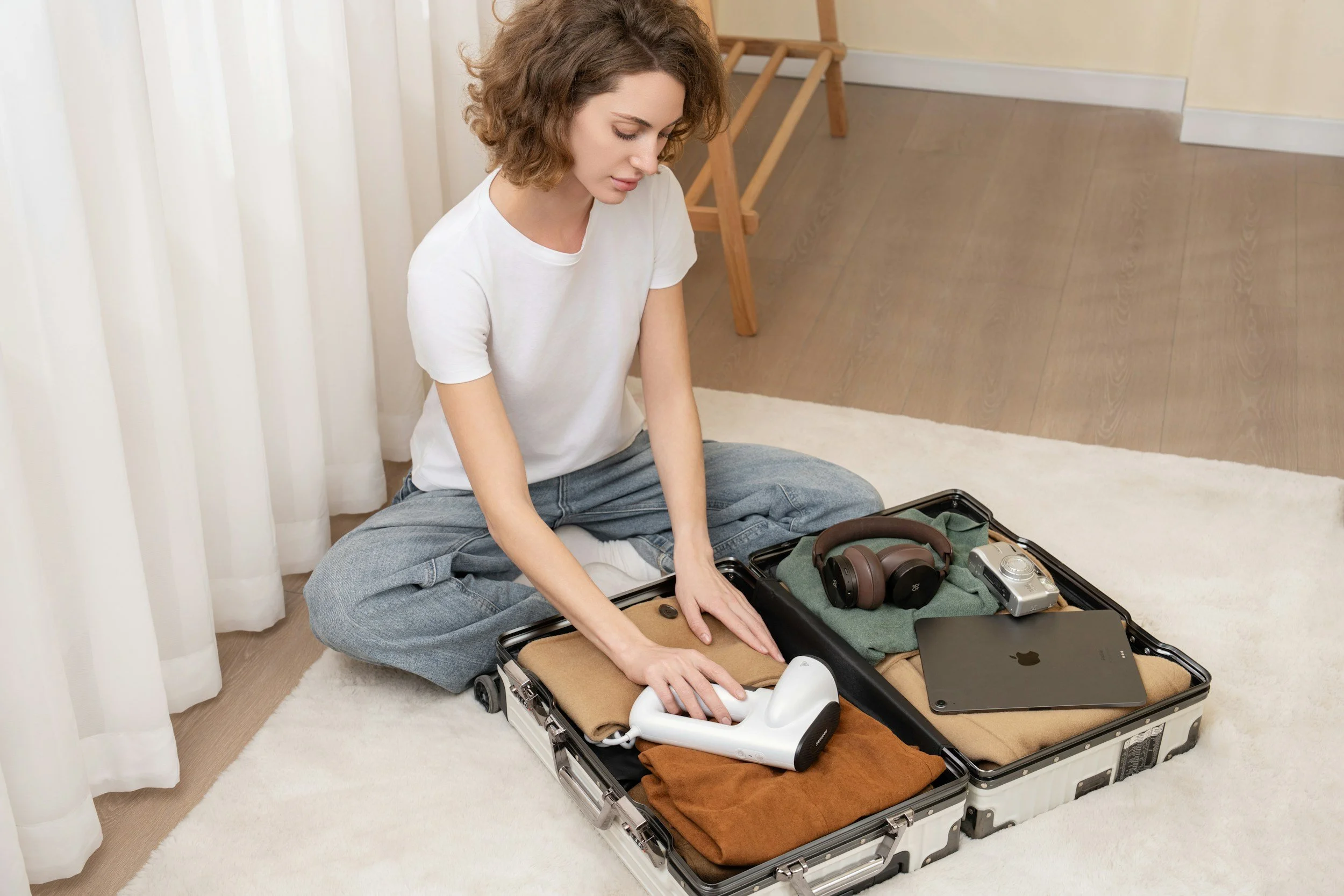
PACK LIGHT: Easy to say, not so easy to do. Packing for a long-haul trip is quite the art form and requires a bit of preplanning to make sure that you have the proper luggage to the appropriate clothing for your destination. We highly recommend using carry-on luggage if at all possible. Dragging large suitcases through cobblestone streets can prove difficult and can be problematic when attempting to get onto trains or other forms of public transport. Keep in mind that almost anywhere you go, basic items such as hair dryers are provided, so need to pack one. PRO-TIP: Suitcases with “spinner” wheels are a huge help when navigating through crowded airports and streets.
STURDY WALKING SHOES.: My absolute favorite topic, no joke!! Over the years I have made great choices for traveling shoes, and some really bad ones by choosing form over function and paid the price for it. Never, and I honestly mean never, take shoes with you that have not been previously broken in. Injury to your feet can truly ruin your vacation. I had always been challenged with how to pack light and take the shoes I need. For non-cruise traveling, I have broken it down to the following: Pair #1) Sturdy, (not sexy), walking shoes. You will spend about 90% of your time in these. Pair #2) Comfortable, yet slightly dressy shoes. No high heels, EVER, just something that you can pair with a nice outfit for a lovely dinner out. Pair #3) Weather dependent shoes, meaning that if you travel in the summer, bring a sturdy, comfortable pair of sandals. If you are traveling in the winter, bring something that can protect your feet from the elements.
DRESS “LOCAL”: While it is impossible to completely assimilate into the local culture of dress, it is appreciated when the overly casual athletic wear is left aft home. Cargo shorts may be the most classic example of casual attire that will definitely make you stand out as a tourist and a possible target pick-pockets and panhandlers.
When visiting areas that are considered sacred, shoulders and knees are almost always required to be covered. This policy is not always enforced, but wouldn’t it be a bummer if you showed up to your tour at the Vatican and were denied access due to the clothes you were wearing?
TRAVEL BAG OR PURSE: Whether you are a man or a woman you are going to want to carry your documents, wallets, and everyday travel items in a convenient and safe manner. Investing in the proper travel bag will make all the difference in the world as you navigate the ins and outs of your trip. Both Wes and I have adopted travel slings, which are lightweight, can be worn on the front of your body or back and can be worn over the right or left shoulder. I choose for one that is RFID protected to protect my credit card data from being scanned. Click on the name of each of the following items to be taken to links of travel items that we have found to be tried and true: Men’s and Women’s Travel Sling, and RFID Credit Card & Passport Sleeves, Women’s Wallet for holding multiple passports, Money Belt. One note about the money belt, if traveling with one, never-but-never, expose this in public. If you need to access cash you are carrying in a money belt, go to a restroom or other private place to do this for safety.
SIGHTSEEING, TIPPING, & DINING
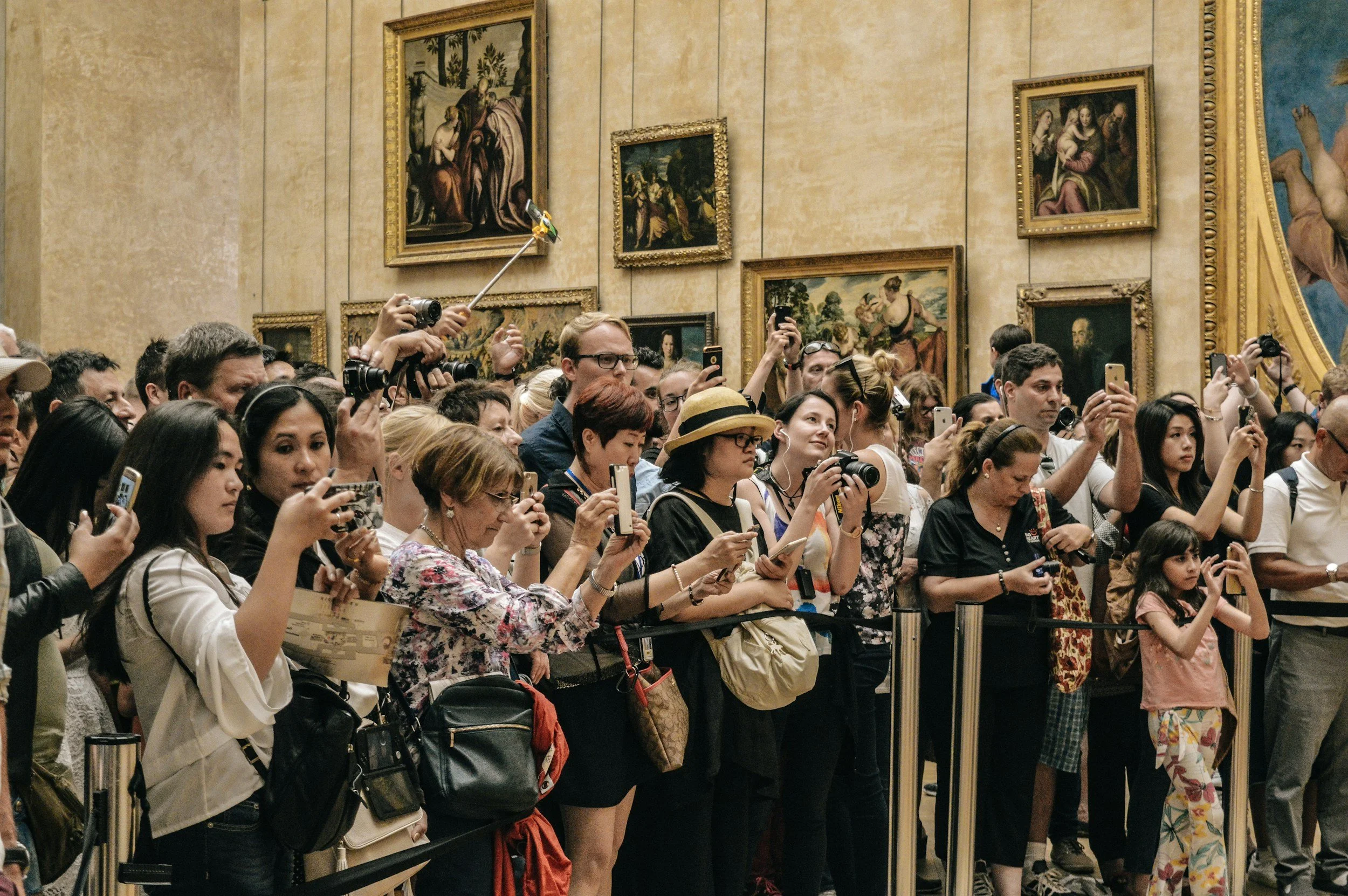

PRE-BOOK TICKETS: Book museums and popular sites weeks or months in advance to avoid long lines or sold-out dates. If you have a favorite place that you would like to see, there is a really good chance that 18,000 other people may have that same idea on that same day. We really enjoy using Rick Steves Walks of Italy for tours throughout Italy, but they actually handle tours in Barcelona, Paris, London, Madrid, and Lisbon.
AVOID TOURIST TRAPS.: Avoid eating at restaurants directly next to major landmarks, these are often overpriced and less authentic. This rule applies when simply sitting down for a nice capuccino to take in the sights - you will be charged a “special” table fee along with your very expensive capuccino. Also be aware of waiters upselling items without telling you what they are recommending are actually extra charges. EXAMPLE: “Would you like some fresh focaccia with that?”, sounds lovely, unfortunately that fresh focaccia your waiter just asked about can be an extra €8 charge.
RESTAURANT NORMS: Tap water is not automatically served; at some placed you can ask for "tap water" (or local equivalent) to avoid paying for bottled water; however, we recommend just paying the extra fee for the water being brought to your table.
BATHROOMS: Public restrooms often require payment (usually €1), so keep coins handy. Be prepared to buy something if you pop into a gelateria or shop and ask to use their restroom.
SERVICE & TIPPING: The rule of tipping in the EU is to tip in cash as there is generally not tip line on credit card bills. As a sign of respect, always use the local currency when tipping, as it is difficult for people to exchange US or other foreign currency, not to mention costly. Last, but not least, American-style 20% tips are unnecessary and can be seen as excessive or even "showy". below are specific rules for tipping while traveling throughout Europe:
Restaurants
Restaurants:Tipping is optional. If the service was good, rounding up the bill or leaving €1–€2 per person is a polite gesture. For exceptional service in high-end or Michelin-starred restaurants, a 5–10% tip is considered very generous.
Cafes & Bars: If you are standing at the bar for a quick espresso, no tip is needed. If you sit at a table and receive service, you might leave €0.50–€1 in change, though it is still not required.
Check Your Bill:
Coperto:A standard cover charge (usually €1–€3) for bread and table settings. This goes to the restaurant, not the server, and is not a tip.
Servizio: A service charge (often 10–15%) sometimes added in tourist areas. If you see this on your receipt, no additional tip is necessary.
Hotels & Transport
Hotels:While not required, small tips are appreciated:
Porters:€1–€2 per bag.
Housekeeping: €1–€2 per night, left at the end of your stay.
Concierge: €5–€10 only for significant help with reservations or custom itineraries.
Taxis: Tipping is not standard. Most locals simply round up to the nearest Euro so change doesn't have to be exchanged. For example, pay €20 for an €18.50 fare.
Private Drivers: For pre-booked airport transfers or full-day excursions, a tip of €5–€10 (short trip) or €20+ (full day) is appropriate.
Tour Guides: This is the main exception where tipping is more expected.
Group Tours: €5 per person for a half-day; €10 for a full day.
Private Tours: 10% of the total tour cost is a standard guideline.
Free Walking Tours: Guides rely entirely on tips; €10–€15 per person is standard.
HOW TO GET AROUND IN ITALY
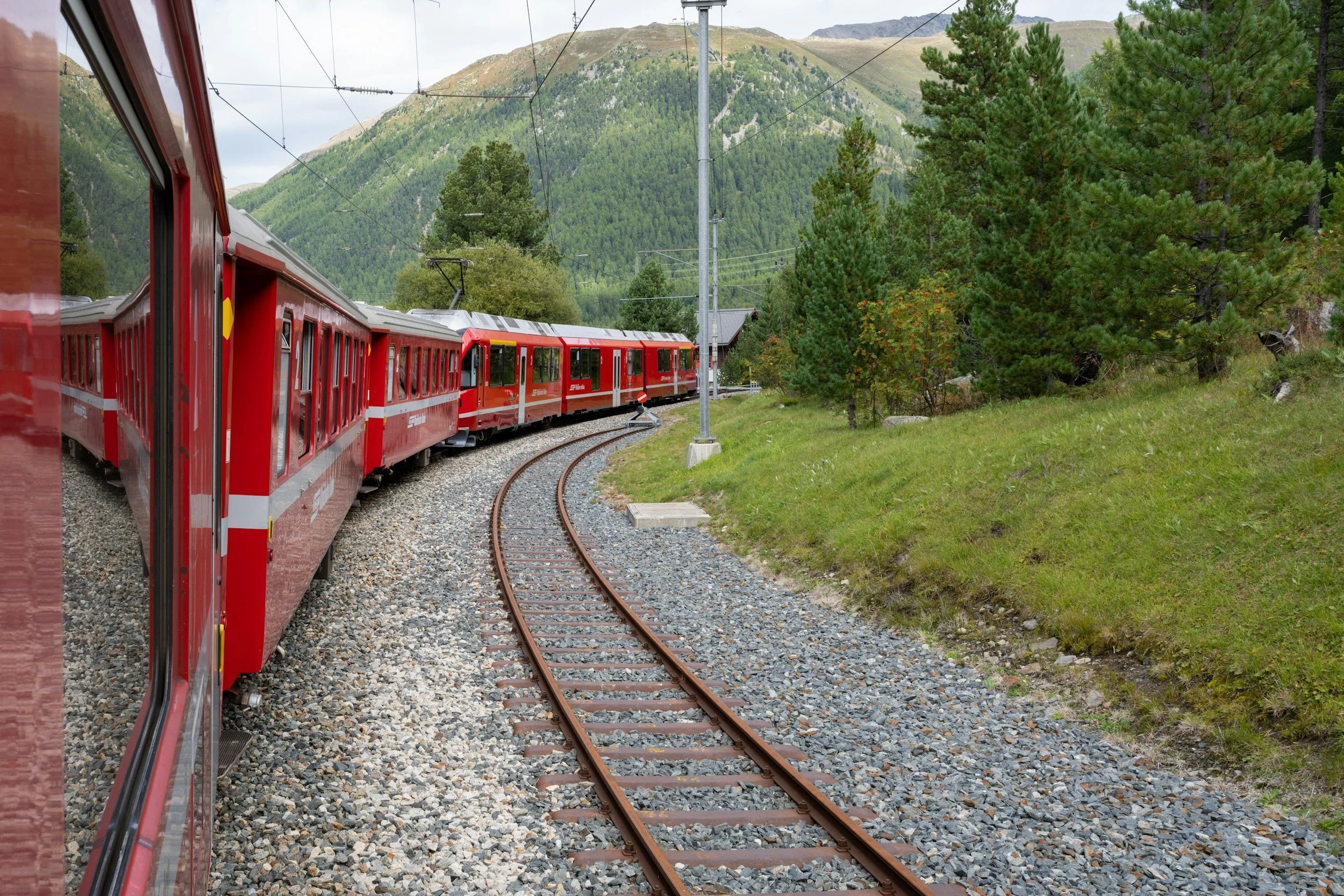
INTER & INNER CITY TRAVEL: The best way to travel Italy is by train, if possible, utilizing the high-speed rail *Trenitalia/Italo) between major cities, and regional trains for smaller cities. Click here for our recommendations of apps to use while here. Book high-speed tickets in advance for lower prices. Avoid driving in city centers due to strict ZTL limited traffic zones that bring heavy fines.
TRAIN TRAVEL
High-Speed vs. Regional: Use high-speed trains (Frecciarossa, Italo) for fast inter-city travel (e.g., Rome-Milan). Use regional trains for slower, cheaper travel between nearby towns.
Validation:You must validate paper tickets before boarding regional trains using the small machines on the platform. High-speed tickets with assigned seats usually don't need validation.
Station Selection: Check the station name carefully, as big cities like Rome and Milan have multiple, such as Roma Termini or Roma Tiburtina.
DRIVING IN ITALY:If you are planning a car, do invest in getting an international drivers permit from AAA or other reputable sources. We have rented cars for over 10 years in Italy, at least 11 of the 13 rentals that we handled did not ask for our international drivers permit, and 2 did. From personal experience, I can tell you it is an absolute bummers when you get to your rental car agency and refused a car at the height of busy season.
ZTL Zones: Most historic city centers have Zona Traffico Limitato (ZTL). Cameras will fine non-residents, so park outside these zones. We had this happen to us and were notifed almost an entire year after our trip that we needed to pay a very expensive ZTL fine.
Tolls and Parking:Motorways (Autostrade) are toll roads. Look for blue lines for paid parking and white lines for free parking.
Navigation:Driving in cities is often chaotic; cars are best for exploring rural areas like Tuscany, not for navigating Rome or Florence
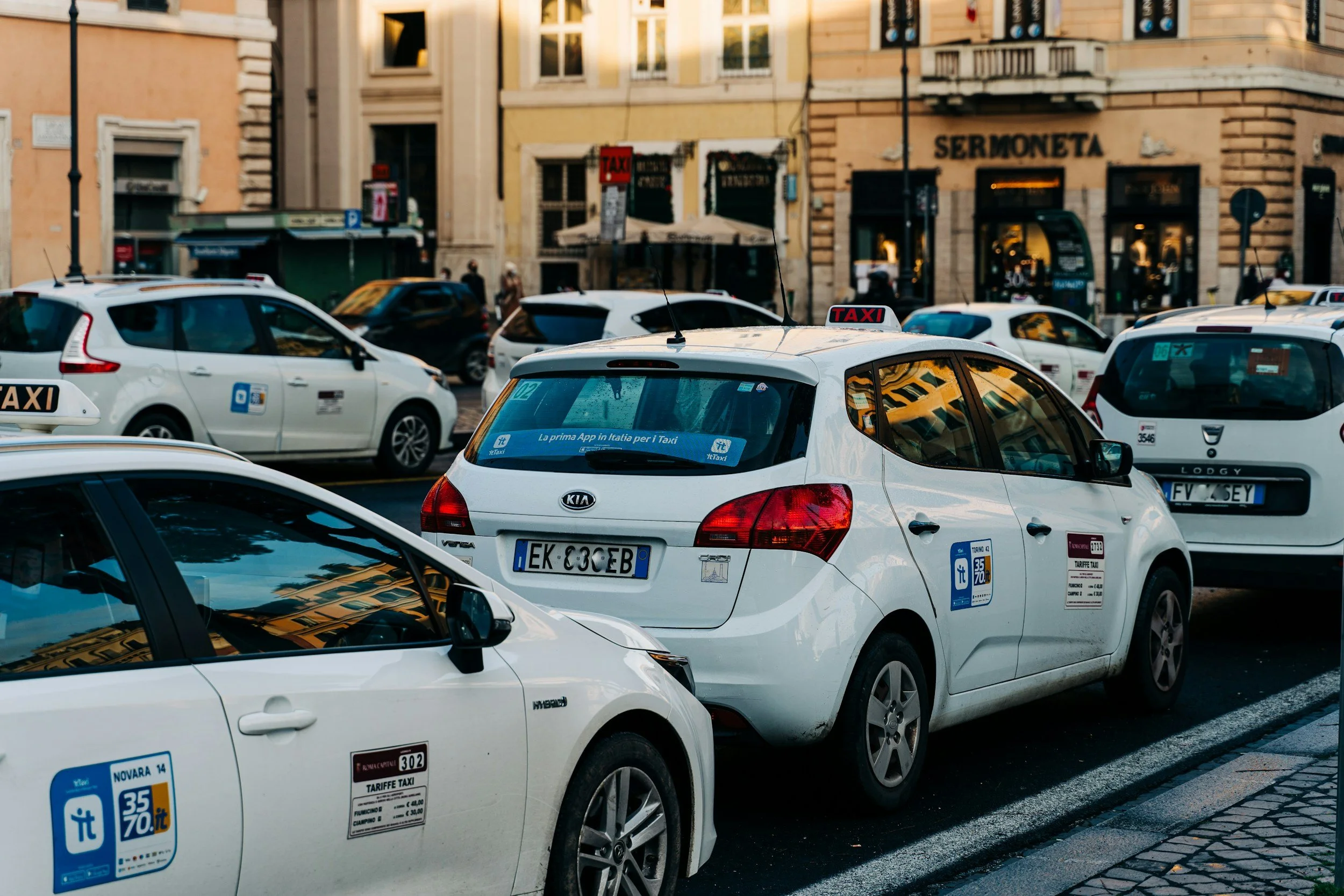
TAXIS: You cannot easily flag down a taxi in the street. Go to a designated taxi stand or use the Free Now app. The legal taxis are white in color and the taxi areas are marked with an orange sign that says taxi.
GENERAL TIPS:
Strike Alerts:Trains and public transport go on strike regularly. Check for strikes in advance, but they are almost always announced. Italiarail.comis an excellent place to check regularly for potential planned strikes in the areas you are planning on visiting.
Pack Light: Navigating train stations and cobblestone streets with large luggage is difficult.
Tipping:As mentioned before, tipping is not required, but leaving €1–2 at restaurants or for service is acceptable.
Uber: Uber is available in some area; however, we have not used this service and currently cannot speak to its efficiency.
BEST PHONE APPS FOR PLANNING, TRACKING & DOCUMENTING TRAVEL



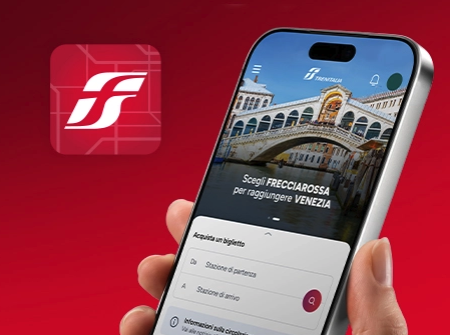



The are apps for your phone that we use every time we travel, & have done so for years. Each one is tried & true and will help you with planning, tracking & documenting your trip. Click here for detailed information.PLANNING APPS: Planning your travel in advance is critical, unless you enjoy planning at the very last minute and enjoy the stress of trying to capture a lightening deal on airfare or hotel rooms. We have traveled to Europe where we had no hotel rooms booked and did it on the fly and we have traveled where we booked far in advance. Our finding was that the money we possibly saved by doing last minute bookings was far outweighed by the stress of figuring out where you are going to be spending the night and how to get there. In short, booking in advance gives you peace of mind of the layout of your trip as well as an idea of what the overall trip will cost. We always use booking.com to book our hotel rooms, most of our rental cars and even some of our activities, making tracking the trip that much easier. Whichever booking service you use, make sure you have the app downloaded on your phone and that you are signed in BEFORE you travel, and make sure that you are aware of how to properly use the app.
booking.com: Great app for booking hotel rooms, cars, and activities. They have great cancellation policies; however, you must be aware of the rooms you are booking and what their cancellation policy is. Also be aware of whether or not you are booking in USD or euros, at least for now, it can make a huge difference in the price of a booking.
Lufthansa vs. United: Be aware of the airline booking game. While this goes for all airlines, I am using Lufthansa and United as examples. These two airlines are part of the same Star Alliance group; however, the exact same flight can be hundreds of dollars less expensive on Lufthansa vs. United. I have no idea why this, nor how I actually figured out how to work the system, but it works and I use this trick every time I am checking flight prices. The very same goes for when comparing tickets on Delta vs. KLM.
LOCAL TRAVEL APPS.: As with the advice above, have these apps pre-downloaded on your phone before travel and be sure you know how to use them. Also be aware of the connections that may be scheduled for your trip as well as the connection time. Due to the uncertainty of how on-time your train is going to be, we generally do not book trains that have shorter than a 20 minute connection time - up we have missed a train or two because of this.
Trenitalia: We utilized the Eurail Pass system for you years, not for any particular intellectual reason, only because I had heard of Eurail Passes being used for trains in Europe. Shame on my for not doing my homework, Eurail passes or only a real bargain if you are traveling for several months and are a student, for all other situations the passes are a bit of a rip-off in my personal opinion. Not only is booking with Trenitalia less expensive, it gives you an advantage over the Eurail pass holders, as you can select your seats at the time of booking. With Eurail, you can only check-in and book your seats 24 hours in advance. This means if you purchased business class Eurail tickets, within 24 hours all of the business class seating could be booked (especially in high season), and you end up with general seating with no way to recoup the money you spent on that trip. The Trenitalia phone all allows you to book, reschedule, cancel and track your bookings, as well as having your boarding pass all in one place with no need to validate a paper ticket. SPECIAL NOTE: The Trenitalia app is best if you are only traveling within Italy. It is not great when you are trying to coordinate trains from Italy to other surrounding countries.
Trainline: If you are wanting a bit more out of a train app and will be visiting multiple countries, this app is probably your best bet. Trainline offers all the functionalities of Trenitalia, but with more options as far as what countries and train lines you can book with. The nice thing with this app is that you can use this as an all in one app, no need for the Trenitalia app. The other nice function with this app, is that it will not only look up specific train stations that you have entered, it will look for options that are close by as well, this is one function that Trenitalia still not does offer.
TRIPIT.COM: Do you ever wish there was a single place that EVERYTHING could be stored, all of your reservations, the details, you personal information, your health insurance info, your frequent flyer info, all of it. We have used this app for years. I track everything, and I do mean everything from all of our personal data that we may need on the road (medical prescriptions, health insurance info, frequent flyer numbers, drivers license numbers, & emergency contact info), to hotel details, to flight details, to tour details. This app has become so sophisticated that it generally notifies you before your airline does about flight changes. Not only that, it will show you a walking map of how to get from one gate to another when you have a connection. If that wasn’t enough, when you book a hotel room, it will give you the safety ratings of your neighborhood, the closest ATMs, pharmacies, grocery stores, restaurants and emergency medical centers. Does it sound like I am gushing, yep, I am. This app has been the perfect way for me to book and upload data that both Wes and I have access to. I make triple sure that I have copies of every reservation for my trip in here as well as email documentation in case of any issues. https://www.tripit.com/web
POLARSTEPS: Love, love, love this app for phone, iPad or computer. We take a zillion photos ofnour trips and never really had a good way to look at these other than scrolling through the thousands of small previews on our phone. This app provides you with the ability to track your trip in real time, documenting stops and special events, location of your visits, numbers of miles traveled, the exact description of the weather at each of your stops and a simply place to store your photos. Here is the coolest part….At the end of your trip, you just push “Print my Book”, and ta-da, you get a hard bound book of all of your travel narratives, your photos and all sorts of awesome logistical information. Once we discovered this app, we have not traveled without it as we love having the coffee table books that document our adventures. SPECIAL NOTE: The best way to use this app is to have is on your phone or iPad before you travel and update your photos in real-time, meaning, at the end of each day upload the photos you took. From there you can always go back and add the specific details you would like to document about a particular day or event. There is an awesome blog that goes through how to use this step-by-step, simply CLICK HERE. For the actual website, here is the PolarSteps site: https://www.polarsteps.com/about